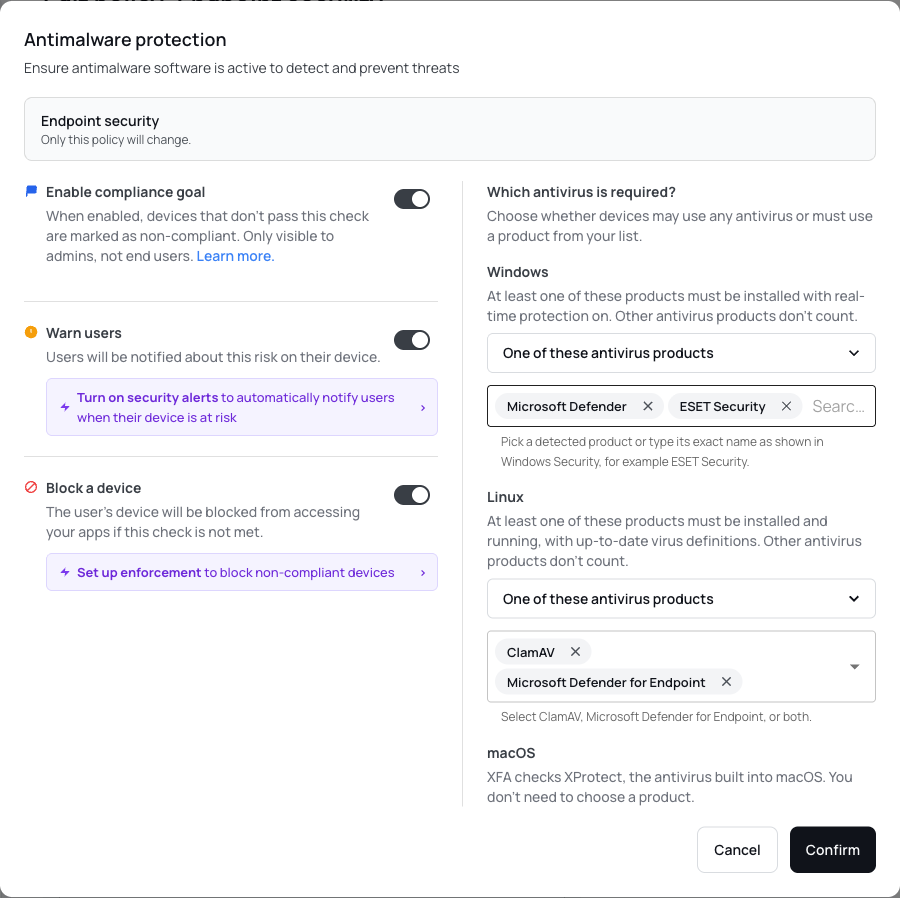
A device can have antivirus running and still be missing the product your organization requires. With this Beta enabled for your organization, you can now choose which antivirus products satisfy the policy on Windows and Linux.
On Windows, select Microsoft Defender or a product registered with Windows Security Center, with suggestions from your device inventory. On Linux, choose ClamAV or Microsoft Defender for Endpoint. Device details, the sign-in verification screen and risk emails explain the required and detected products, so users can see why a check needs attention. Configure your device policy
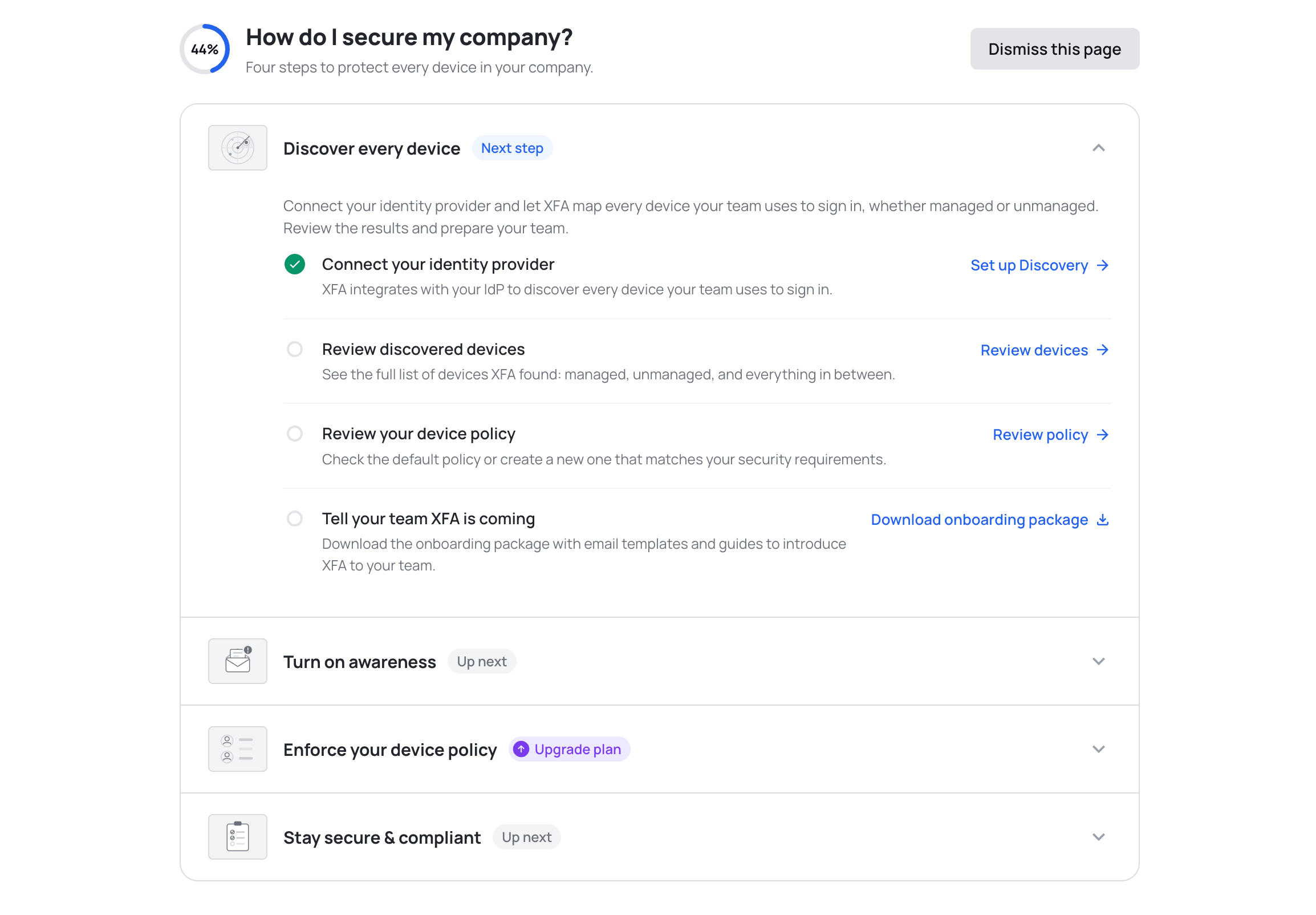
The new Getting Started page helps you get more out of XFA. It lays out four tracked steps, from discovering every device to staying secure and compliant, so you always know what to set up next.
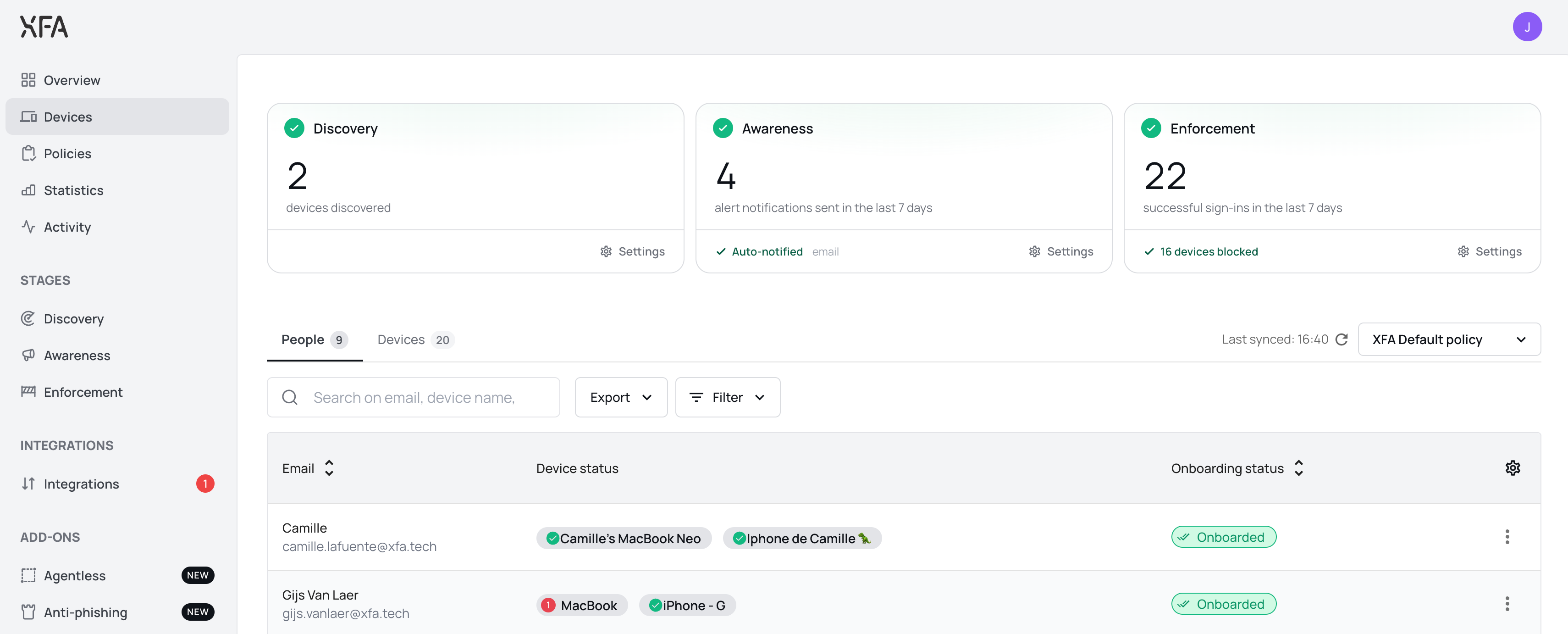
The Devices page now opens with a card for Discovery, Awareness and Enforcement, so you can see at a glance where your organization stands. Each card says whether that pillar is running or waiting on you, with the number behind it: devices discovered, alerts sent, successful sign ins. See the Devices overview
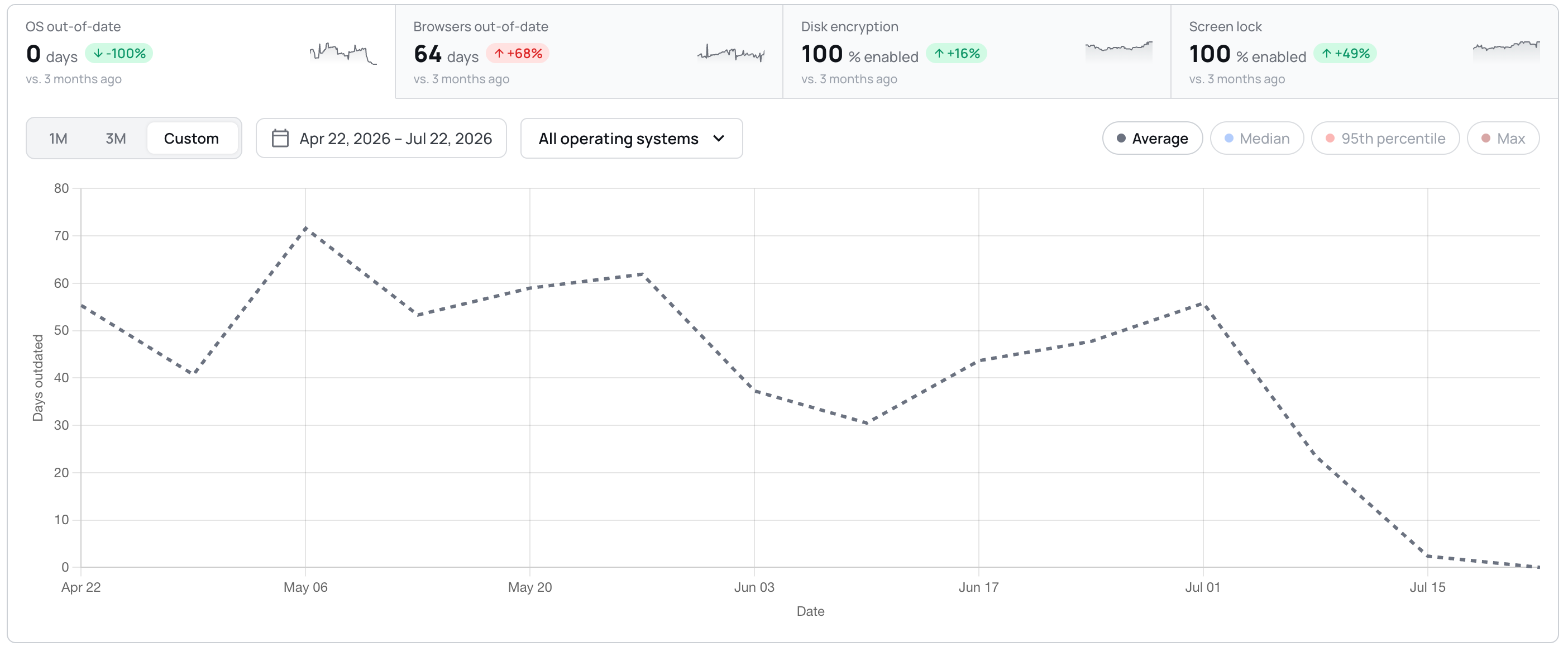
Trends are now a single card: four tiles act as tabs above one chart, with the period, the operating system filter and the chart type on the card instead of in a fullscreen modal. Custom date ranges are supported, and the BETA labels are gone.
The device detail view now reports whether a device allows unattended remote access, and explains what the check looks for. You can act on it in your policy; XFA does not change the setting on the device. See your device policy
Dashboard: a Discovery integration that was never connected now shows a red alert and a Reconnect button, and counts towards the Discovery badge.
Dashboard: smaller interface fixes throughout, including larger tooltip and dismiss targets, steadier invoice rows, and long organization names that truncate instead of pushing controls off screen.
Dashboard: the Discovery page no longer shows a next run in the past. It is now anchored to the coming hour.
Dashboard: confirming a delete no longer leaves the button spinning. The dialog closes once the delete succeeds, and shows an error if it fails.
Desktop: the screen lock timeout row now shows a warning icon when the check fails on the timeout, instead of staying green while the check warns.
Desktop: the OS updates check now follows your policy grace in the app, the systray and the web flow alike.
Desktop: eighteen strings in the check details and fix actions are now translated in German, Spanish, French and Dutch, instead of falling back to English.
Mobile: approving MFA on another device no longer leaves the mobile app waiting.
The checks that flag a jailbroken, rooted or developer-mode device, or one that was just rebooted, already ran in the XFA app and showed in your dashboard. They now also reach the access decision at sign-in for mobile devices, so a risky mobile device is warned or blocked at login per your policy, the same way it already is on desktop. Nothing new is installed: the mobile app simply reports these signals when it verifies the device at sign-in. See your device policy
Dashboard: a lighter, more responsive feel, with smoother transitions, clearer hover and loading states, skeleton placeholders while data loads, and success confirmations that appear only once an action has actually saved. Motion respects your reduced-motion setting.
Dashboard: notifications are rebuilt to be calmer and more legible, and no longer duplicate, flicker or jump when several arrive at once.
Dashboard: Discovery and Enforcement now have a Watch demo action that opens a short guided tour without leaving the dashboard.
Desktop: the device-lock check now applies your organization's maximum screen-lock timeout, so it no longer shows OK in the app while sign-in is actually being blocked.
Desktop: the OS updates check on Fedora Linux is much faster, and no longer reports a device as out of date right after a reboot before its update data is ready.
Dashboard: setting up Google Workspace discovery no longer skips the domain-wide delegation step. You now confirm delegation is configured before continuing.
Web app: MFA and TOTP sign-in are more reliable. Trusted devices register after approval, malformed device tokens are refreshed instead of failing, and TOTP email confirmation links open the right step.
Dashboard: fixed a rare case where the dashboard could get stuck reloading right after a new version was deployed.
Dashboard: fixed a redirect loop that could bounce you back and forth during MFA sign-in.
Dashboard: blocked-account access handling is more consistent, and you now review your billing details before checkout.
Dashboard: an invited user's signup now always uses the invited email address, even if an earlier unfinished signup was left in the browser.
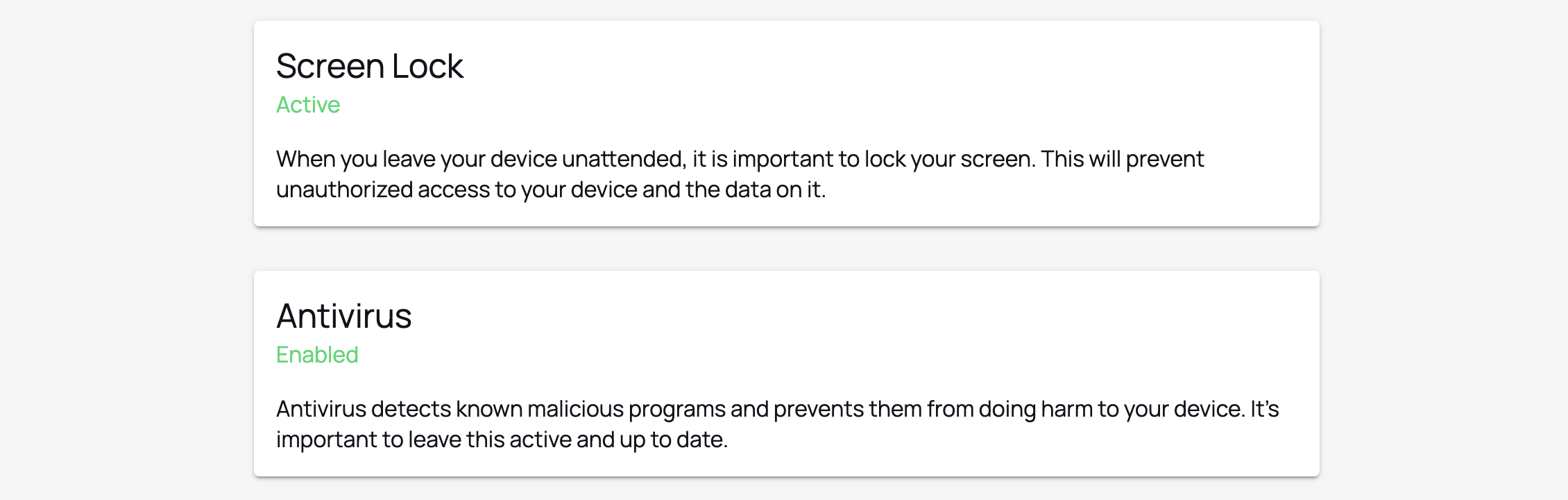
XFA now supports screen lock timeout enforcement in addition to the existing screen lock enable/disable check.
Previously, XFA only verified whether screen lock was enabled on a device. Now, admins can also configure a maximum allowed timeout duration — and XFA will verify that the device's screen lock timeout is within that limit.
What's new:
Admins can set a maximum screen lock timeout (in minutes) in their organization's policy
XFA checks both that screen lock is enabled and that the configured timeout does not exceed the maximum
Supports macOS, Windows, and Linux with platform-specific timeout detection
The timeout check works alongside the existing enable/disable check — both must pass for the device to be compliant
This gives organizations tighter control over idle device security, ensuring employees cannot set excessively long timeouts that leave devices exposed.
XFA now ships eight new browser-privacy device checks that verify the safety and privacy posture of your team's everyday browsers: Chrome Safe Browsing (standard and enhanced), Chrome Do-Not-Track, Chrome DNS-over-HTTPS, Firefox HTTPS-Only, Firefox DNS-over-HTTPS, and Firefox Enhanced Tracking Protection (standard and strict).
Each check is configurable as a per-organization policy, so you can decide whether to warn or block users who are not compliant, matching your team's risk appetite.
End users see violations directly in the desktop tray menu and on the device detail view in the dashboard, with one-click remediation links built into the agent.
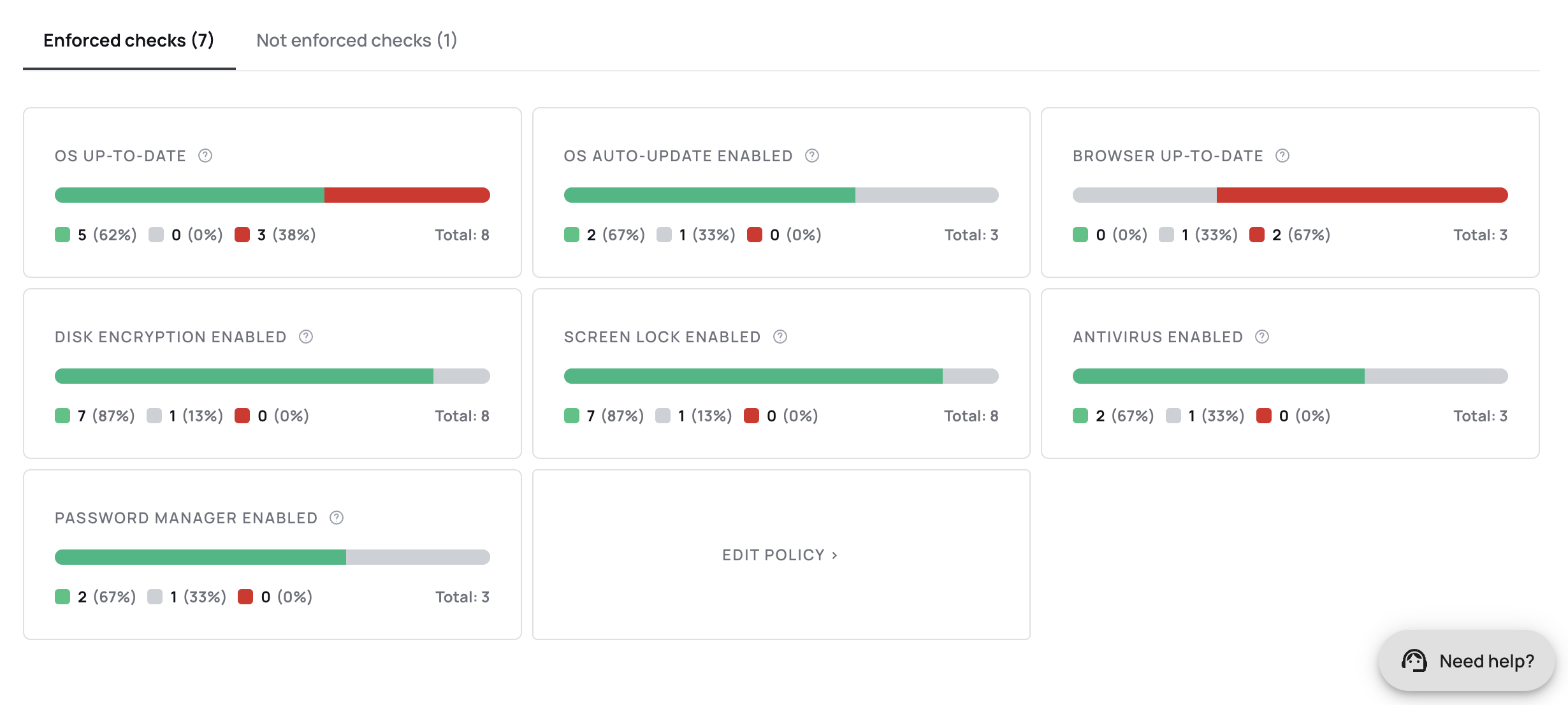
We've added the statistics based on the device checks you have selected in your policy on your dashboard and in your weekly email. This will give you a better overview of the devices that are compliant with your policy.
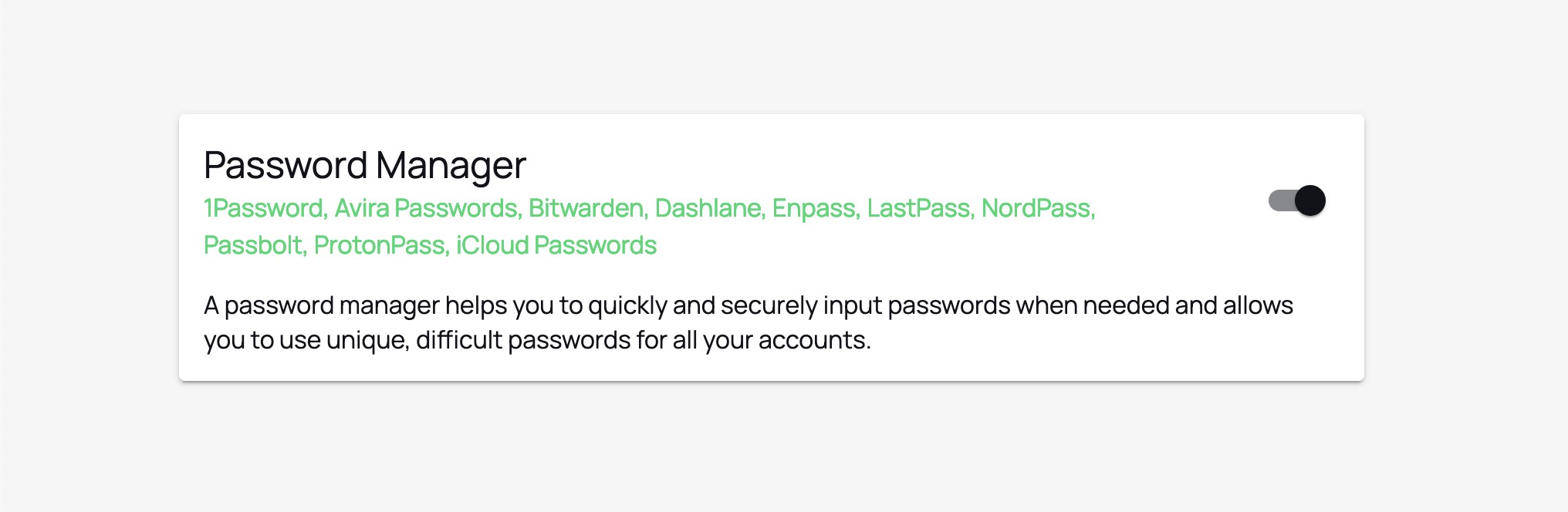
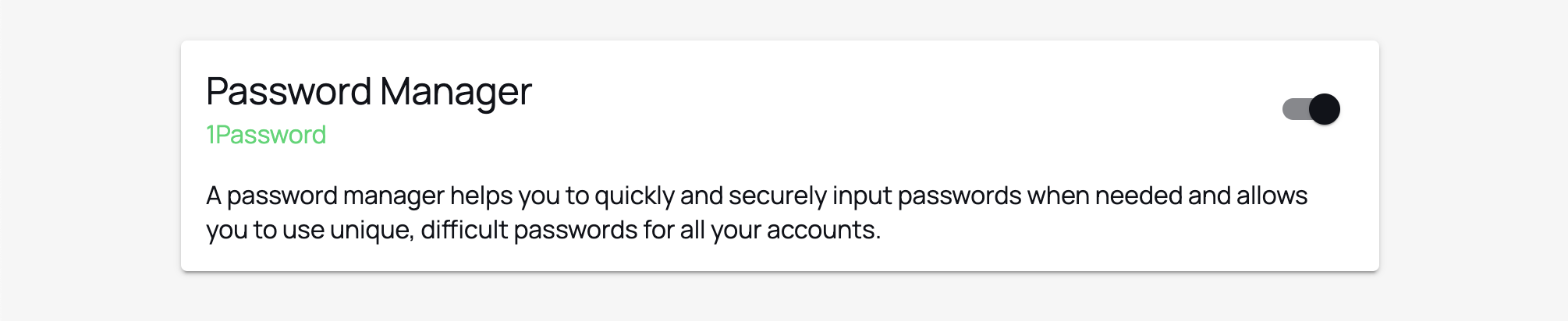
We've added support in the desktop browser extension to detect installed password managers, to push the recommended practice of using a password manager to store unique passwords.
Note: The security check is not enabled by default, but can be enabled by the user (or by request of the organization).